
The Science of Sweetness: How Farm Management Shapes the Perfect Mango
Biting into a ripe, sweet mango often feels lucky. However, a highly structured process actually creates that incredible flavor. At Fantastic Mangoes, we know great
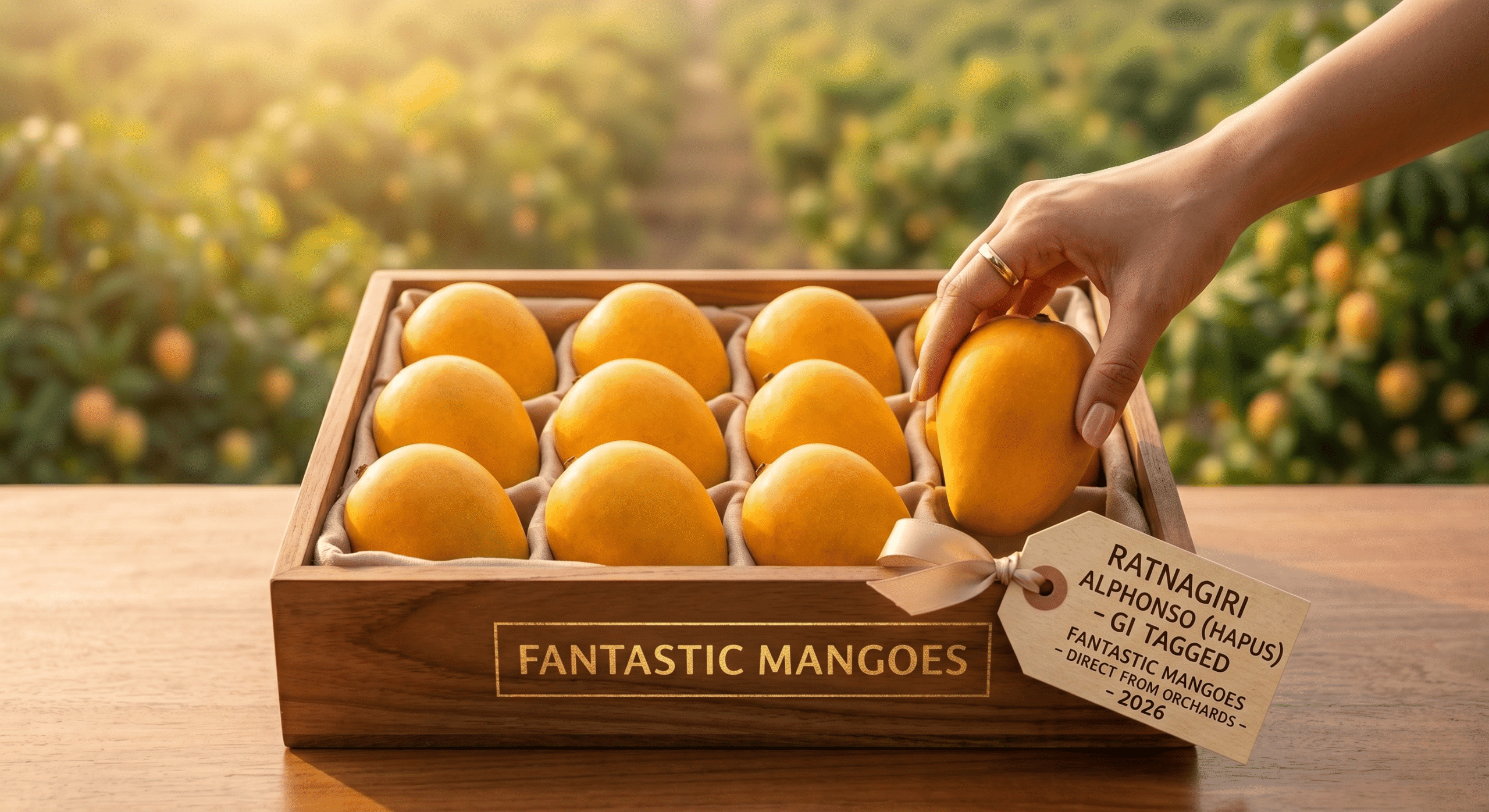
India doesn’t just grow mangoes — it breathes them. With over 22 million metric tonnes produced annually, India accounts for nearly half of the entire world’s mango output. And yet, for most people outside the subcontinent, the diversity of Indian mango varieties is reduced to a single image: the golden Alphonso, gift-wrapped and priced like treasure.
The truth is far richer. India is home to over 1,000 named mango varieties, each shaped by the soil, climate, and centuries of farming tradition of the state that birthed it. From the ghee-smooth Dasheri of Uttar Pradesh to the tart, industrial Totapuri of Andhra Pradesh, every corner of the country has its own King of Fruits — and it fiercely defends the title.
At Fantastic Mangoes, we believe that knowing your mango is as important as eating one. Learn more About Us and how we bring India’s finest orchards straight to your door.
| State | Share of National Production | Star Varieties | Flavour Profile |
|---|---|---|---|
| Uttar Pradesh | ~25% | Dasheri, Langra, Chausa | Honeyed, fragrant, fiberless |
| Andhra Pradesh | ~18% | Banganapalli, Totapuri, Suvarnarekha | Mild-sweet to sharp & firm |
| Karnataka | ~14% | Alphonso, Langra, Raspuri | Rich, creamy, intensely sweet |
| Bihar | ~12% | Dasheri, Zardalu, Gulabkhas | Aromatic, rose-tinged, soft |
| Gujarat | ~9.5% | Kesar, Alphonso (Hapus) | Saffron-sweet, buttery |
| Maharashtra | ~8% | Alphonso (Hapus), Kesar, Pairi | Complex, citrusy-rich |
| Tamil Nadu | ~6% | Neelam, Bangalora, Mulgoa | Sweet-sour, vibrant, juicy |
| Telangana | ~5% | Totapuri, Neelam | Firm, tangy, processing-grade |
Source: NHB, Ministry of Agriculture & Farmers’ Welfare, APEDA (2023–24 data). For a visual breakdown by state, check out this infographic on Instagram: https://www.instagram.com/p/DWyciH5jASr/
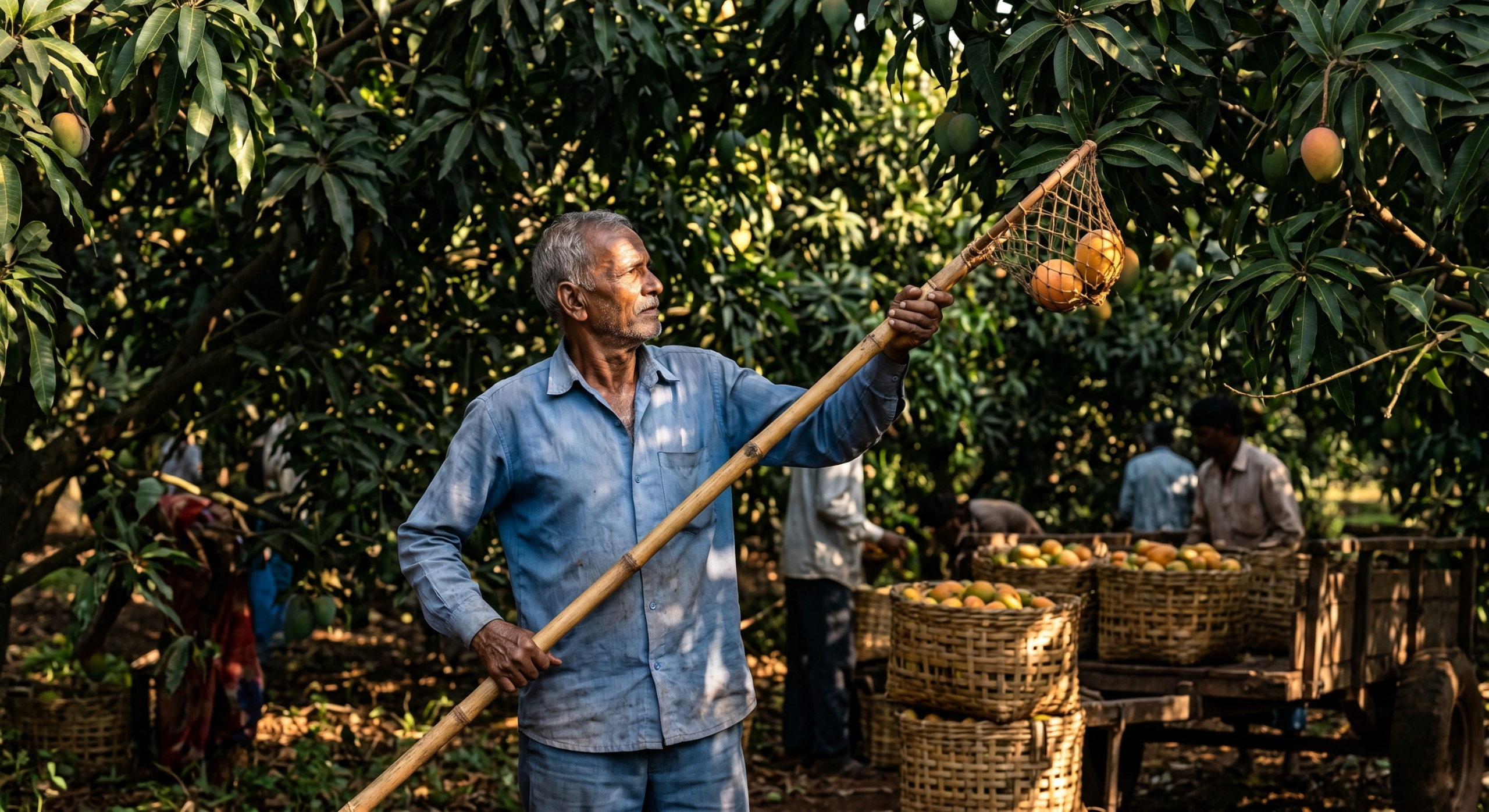
If Indian mangoes had a global ambassador, it would be the Alphonso. Grown primarily in Ratnagiri and Devgad along Maharashtra’s Konkan coast — and in the Gir region of Gujarat — the Hapus is renowned for its deep saffron flesh, near-zero fibre, and a flavour so complex it carries notes of honey, peach, and tropical custard all at once.
The GI tag for Ratnagiri Alphonso is among India’s most prized, and the variety commands prices upwards of ₹800–₹1,200 per dozen at peak season. It’s the mango the UAE, UK, and the US ask for by name — and it’s in season only from March to May, making every bite feel earned.
Originating from the village of Dasheri near Lucknow, this variety is the heartbeat of North India’s mango season. Dasheri mangoes are medium-sized, elongated, and pale yellow-green at peak ripeness. What sets them apart is their extraordinary fragrance and complete absence of fibre — the flesh dissolves on your tongue like mango-flavoured silk.
Uttar Pradesh produces over 25% of India’s total mango output, and the Dasheri is its crown jewel. The orchards of Malihabad, just 30 km from Lucknow, are so densely planted they’ve earned the district the nickname “Mango Bowl of India.”
Named after a lame farmer in Varanasi who first cultivated it, the Langra is anything but ungainly in flavour. It stays green even when fully ripe — a source of constant confusion for first-time buyers — and its tangy-sweet balance is unlike anything else. Langra lovers often argue it has more character than the Alphonso: more layered, more complex, bolder in its northern identity.
Named after the Hindi word for saffron, Kesar earns its title with deeply orange flesh and a sweetness that borders on dessert. Grown in the foothills of the Girnar mountains, the Kesar has a GI tag restricting the true name to fruit grown in the Saurashtra region. It’s the variety of choice for aamras, mango ice cream, and shrikhand across Gujarat and Maharashtra, and it holds up remarkably well for processing and export.
Also called Safeda or Benishan, the Banganapalli is the people’s mango of South India. Large, oval, and bright yellow, it’s widely available, affordably priced, and consistently sweet. It hails from Banganapalle in Kurnool district — a state that produces 18% of India’s total mango crop. The Banganapalli was one of the first Indian mangoes to receive a GI tag and remains the bestselling variety in South Indian markets.
The Neelam is the marathon runner of Indian mangoes — arriving late in the season (June–July) when most other varieties have peaked and declined. Smaller, rounder, and deeply fragrant with a sweet-sour punch, it holds a special place in Tamil Nadu’s mango culture long after the Alphonso has disappeared from shelves.
Few mangoes have a story as romantic as the Zardalu. Said to have been a favourite of Mughal emperors, its name translates loosely to “golden” in Persian. Grown almost exclusively in Bhagalpur, Bihar, the Zardalu is small, intensely aromatic, and has a floral sweetness that makes it taste more like a perfume than a fruit — in the best possible way. Its GI tag was secured in 2018, and it’s now Bihar’s most prized export variety.
India’s mango dominance isn’t just cultural — it’s statistical. India produces an estimated 26+ million metric tonnes of mangoes annually, accounting for roughly 42% of global production. According to OECD-FAO projections, that number is set to climb to 36 million metric tonnes by 2034, driven by rising domestic consumption and organised export infrastructure.
Per capita mango consumption in India is expected to reach 23.1 kg per person annually by 2034 — a figure that reflects just how deeply the mango is woven into Indian food culture, from raw mango pickles in summer to dried amchur powder used year-round in curries.
Yet here’s the paradox: less than 1% of India’s mango production enters international trade. The rest is consumed domestically, processed into pulp and juice, or lost to post-harvest gaps. For mango lovers outside India, this makes access to authentic, fresh Indian varieties genuinely rare — and genuinely precious.
For mango lovers outside India, this makes access to authentic, fresh Indian varieties genuinely rare — and genuinely precious. You can explore India’s official mango export data and certified varieties on APEDA’s Mango portal.
One thing that separates the Indian relationship with mangoes from the rest of the world is the celebration of the raw mango. While most global consumers only encounter Indian mango varieties ripe and sweet, in India, the green, unripe mango is its own culinary universe.
Raw Totapuri and Bangalora mangoes are sliced thin with salt, chilli, and chaat masala for a punchy summer snack. Green mangoes are boiled into aam panna, a cooling drink that doubles as a heat-stroke remedy. Unripe Alphonso and Kesar mangoes go into Maharashtrian kairiche lonche — a preserved pickle so tart it makes your eyes water in the best possible way. The same fruit that melts buttery-sweet in July begins its life in April as a weapon of glorious sourness. That duality is uniquely Indian — and uniquely magnificent.
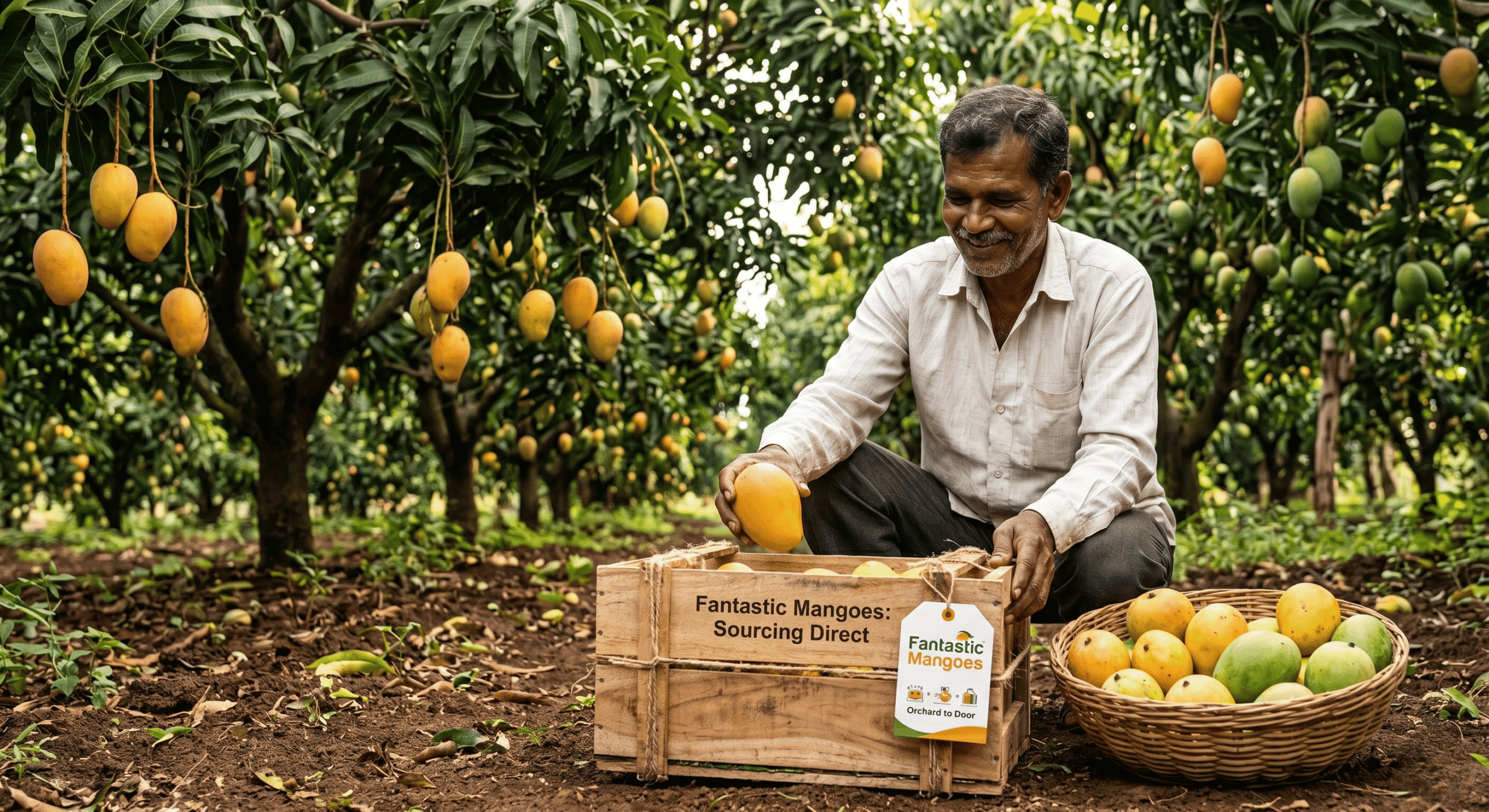
Not all mangoes are created equal — and not all mangoes suit the same purpose. Here’s a quick cheat-sheet for making the right choice:
Own the Orchard: Grow Your Own Alphonso at the Source
For those who love the Alphonso deeply enough to want more than a box — Konkan Estates, a Ratnagiri-based real estate developer with over 40 years of experience in the region, offers managed mango farmland plots right in Konkan’s famed mango belt. Their flagship project, Tathastu Mango Valley, gives you the chance to own a plot with 30–40 mature Ratnagiri Hapus (Alphonso) trees, fully managed by agricultural professionals, with Alphonso, Kesar, and Raspuri mango varieties cultivated across their farmland portfolio.
In fact, Fantastic Mangoes is Konkan Estates’ own in-house produce brand — meaning the mangoes grown on their farms are the very mangoes that reach your doorstep. It’s a full circle from orchard to box.
If you’ve ever dreamed of owning a slice of the Konkan coast where India’s finest mangoes grow, explore their projects at konkanestates.com.
The Indian mango season runs roughly from March through July, with different Indian mango varieties peaking at different times. The Alphonso leads the charge in March, Dasheri and Langra arrive by May, and the Neelam closes the season gracefully in July. Miss it, and you wait another year.
Fantastic Mangoes, we source directly from GI-certified orchards and trusted growers across Ratnagiri, Malihabad, Bhagalpur, and Gir — so every box that reaches you carries not just fruit, but provenance. Order Mangoes and find the variety that tells your story.”
Follow us on Instagram for seasonal drops, variety guides, and behind-the-scenes from the orchards.
Biting into a ripe, sweet mango often feels lucky. However, a highly structured process actually creates that incredible flavor. At Fantastic Mangoes, we know great
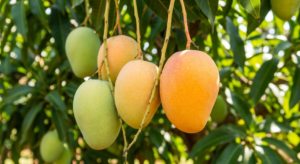
A new entry in The Mango Diaries Every summer, the global market is flooded with fruits bearing the prestigious ‘Alphonso’ label. They arrive from various
When you purchase premium fruit, you are buying more than just produce; you are participating in a complex agricultural economy. For decades, the global supply
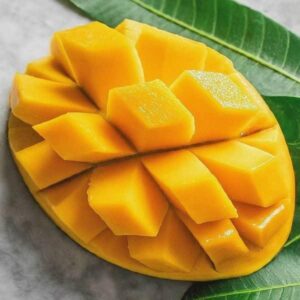
Geography Defines Quality The foundation of exceptional Alphonso mangoes lies in the Ratnagiri and Rajapur belts of Konkan. These regions offer a precise combination of: