
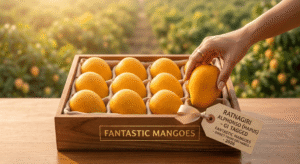
India’s Mango Varieties: The Complete State-by-State Guide for 2026
India doesn’t just grow mangoes — it breathes them. With over 22 million metric tonnes produced annually, India accounts for nearly half of the entire
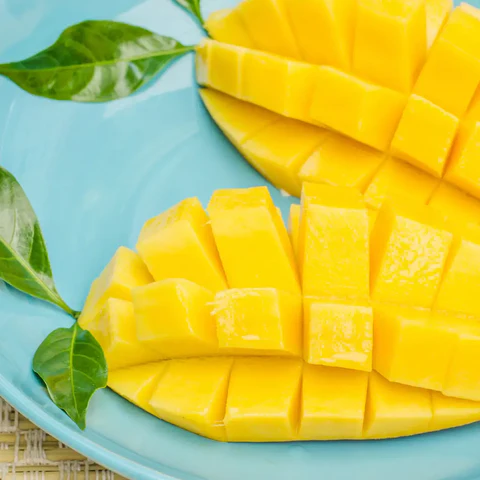
There are fruits you eat, and then there are fruits you wait for. Mangoes fall into the second category.
Every year, as summer approaches across India, there is a quiet anticipation that builds—not for a festival or a holiday, but for the arrival of mango season. Unlike apples or bananas that are available year-round, mangoes are seasonal. That scarcity creates desire.
You don’t casually consume mangoes. You wait for them, you check when they arrive, you ask where they’re sourced from. That emotional build-up is what transforms mangoes from a product into an experience.
Mangoes are deeply tied to where they come from. Regions like Ratnagiri and Devgad are not just growing zones—they are identity markers.
The coastal soil, humidity, and climate of the Konkan belt create conditions that are nearly impossible to replicate elsewhere. This is why Alphonso mangoes from these regions are considered premium – not because of branding, but because of geography.
Much like wine regions across the world, mangoes carry the signature of their origin.
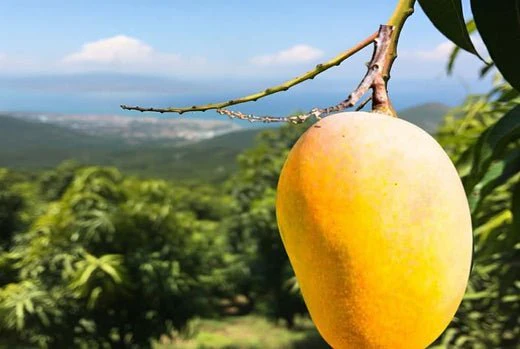
While mangoes feel emotional, the scale behind them is massive.
These numbers show something important: mango is not just culturally significant, it is economically powerful.
Yet, despite this scale, mangoes still feel personal. That balance between mass production and intimate consumption is rare.
One of the biggest reasons mangoes feel like an experience is variety.
Unlike most fruits, mangoes are not one-dimensional. Each type has a personality:
This means people don’t just like mangoes—they have favorites.
And once someone finds “their mango,” it becomes a ritual. Every summer, they search for that same taste again.
Mangoes are scientifically designed to be addictive (in a good way).
Their flavor comes from a mix of:
These compounds create that signature smell even before you taste the fruit.
That smell is powerful—it activates memory and emotion. It’s why the experience begins before the first bite.
Mangoes feel like dessert, but they are surprisingly nutritious.
According to United States Department of Agriculture:
This makes mango a rare category: a fruit that feels indulgent but supports a healthy diet.
So the experience is not just sensory—it’s also functional.
Mangoes may feel local, but they are globally loved.
Countries like the UAE, USA, and UK import large quantities of Indian mangoes every year. For people living abroad, mangoes are not just fruit—they are nostalgia.
A box of Alphonso mangoes shipped overseas often carries emotional value far beyond its price. It reconnects people to home, family, and summers they grew up with.
Few foods come with a ritual. Mangoes do.
Think about it:
This process matters. It slows you down.
In a world of fast food and instant consumption, mangoes demand patience. And that patience enhances the experience.
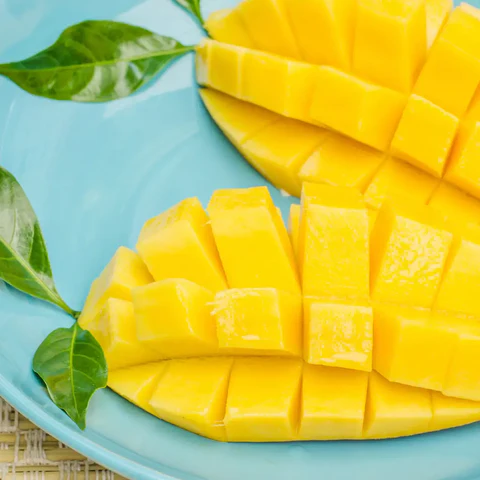
Mangoes, especially Alphonso, are often priced higher than regular fruits. But the price is not just about supply—it reflects limited seasonal availability, specific growing conditions, manual harvesting, and most importantly, authenticity.
If you’re unsure what makes a mango truly premium, here’s a simple guide on How to Identify Real Alphonso Mangoes.
You are not just paying for fruit. You are paying for timing, origin, and quality. That is why mangoes feel premium without needing luxury branding.
At its core, mango is emotional.
It reminds people of:
Very few products can do that.
A mango is not just eaten—it is remembered.
Mangoes sit in a rare category where agriculture meets emotion, and commerce meets culture.
They are backed by scale, supported by data, and loved across the world. Yet, at the individual level, they remain deeply personal.
That is why mangoes are not just a product you buy.
They are an experience you wait for, enjoy, and remember—every single summer. 🥭✨
India doesn’t just grow mangoes — it breathes them. With over 22 million metric tonnes produced annually, India accounts for nearly half of the entire
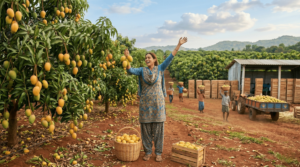
Biting into a ripe, sweet mango often feels lucky. However, a highly structured process actually creates that incredible flavor. At Fantastic Mangoes, we know great
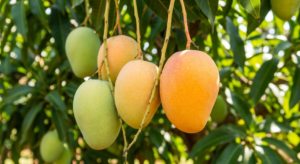
A new entry in The Mango Diaries Every summer, the global market is flooded with fruits bearing the prestigious ‘Alphonso’ label. They arrive from various
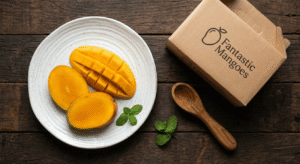
When you purchase premium fruit, you are buying more than just produce; you are participating in a complex agricultural economy. For decades, the global supply