
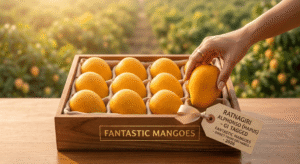
India’s Mango Varieties: The Complete State-by-State Guide for 2026
India doesn’t just grow mangoes — it breathes them. With over 22 million metric tonnes produced annually, India accounts for nearly half of the entire
Pre-orders for 2027 now open
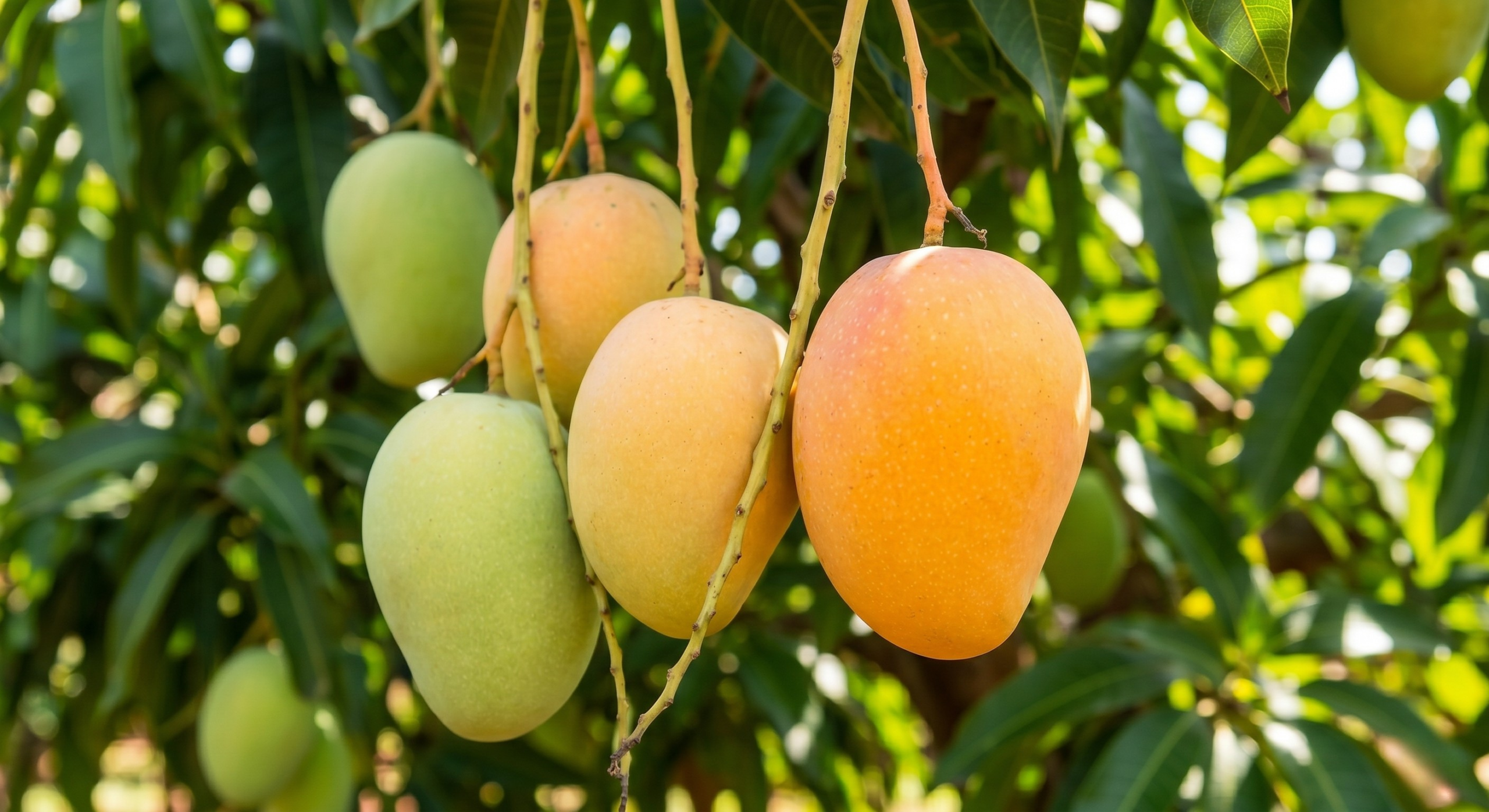
Every summer, the global market is flooded with fruits bearing the prestigious ‘Alphonso’ label. They arrive from various corners of the world, promising the same legendary experience. Yet, true connoisseurs of the fruit understand a profound truth: there is a distinct, non-negotiable difference between generic varieties and authentic Ratnagiri Alphonso mangoes. The secret behind this unparalleled flavor, mesmerizing aroma, and buttery texture does not reside in the seed alone. It lies in the complex, geographical fingerprint of its origin. It is a story of nature, science, and pure microclimate magic.
We must first understand that a mango is not merely a product of agriculture; it is a manifestation of its environment. This is known as terroir—the holistic combination of soil, climate, and topography that gives a crop its unique characteristics. While standard farming practices can grow a tree anywhere, they cannot synthesize the precise environmental variables that define the Ratnagiri Alphonso.
This geographical exclusivity is recognized by the Government of India through a Geographical Indication (GI) tag, legally certifying that authentic Alphonso mangoes possess their unique qualities only when grown in the specific coastal districts of Ratnagiri, Sindhudurg, and surrounding regions in Maharashtra.
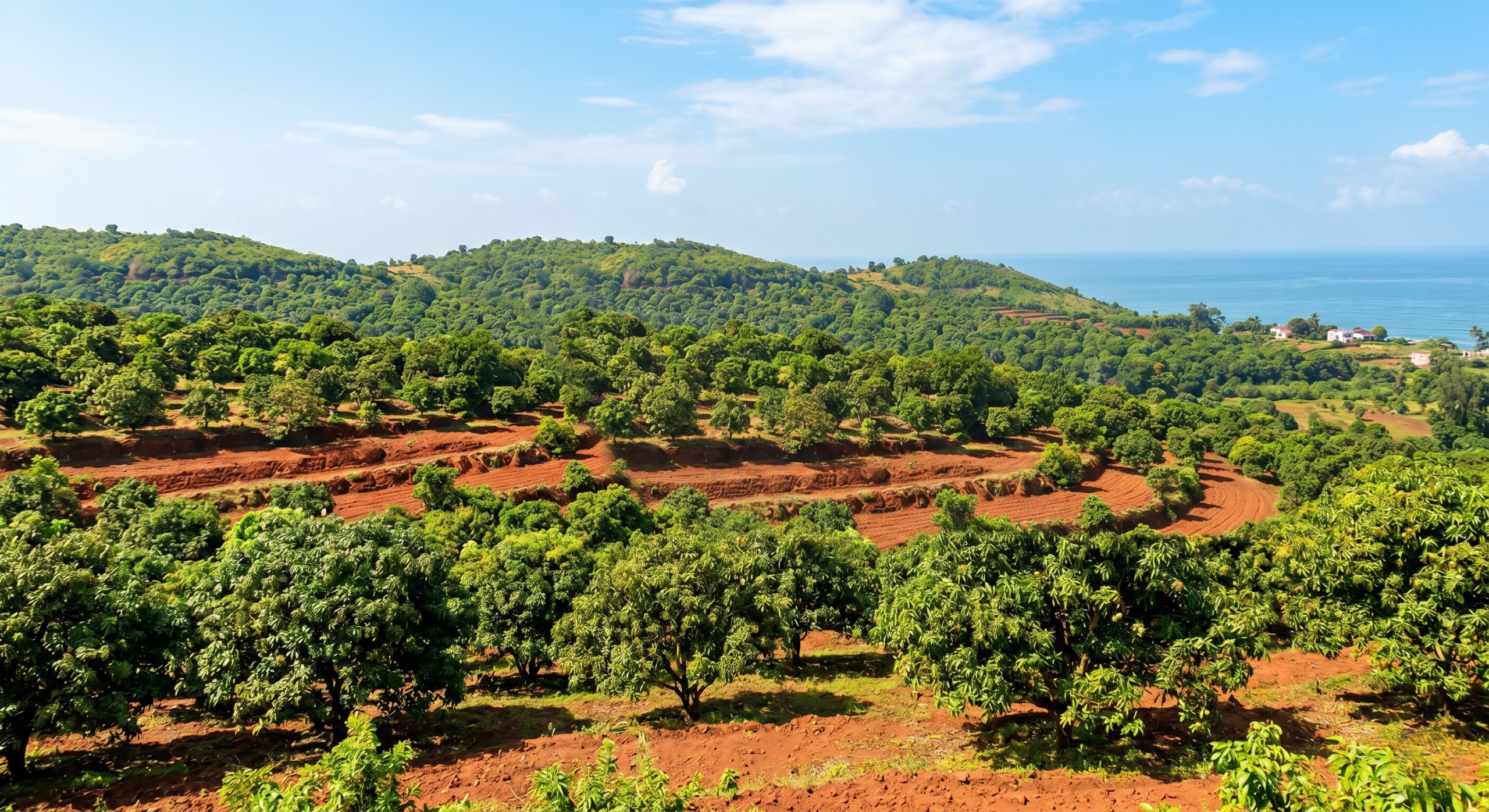
The journey of flavor begins beneath the surface. The Konkan coastline, where Ratnagiri is situated, is defined by its dramatic, rocky landscape and rich, crimson-colored soil. This is laterite soil.
This soil is unique. It is rich in iron and aluminum, structurally porous, and inherently acidic. Unlike soft, loamy agricultural fields, laterite soil forms a hard, rocky substrate. These conditions are challenging for many plants, but they are the crucible for the Alphonso’s greatness.
The mango trees grown here cannot be pampered. They are forced to adapt. Their roots must fight, boring deep through crevices in the rocky terrain to find moisture and essential nutrients. This environmental stress forces the tree to channel its energy efficiently. Instead of producing excessive foliage or water-heavy, bland fruit, the tree concentrates its resources, enhancing the natural sugars and flavor compounds within each mango. This intense internal concentration is the origin of the complexity that makes authentic Ratnagiri Alphonso mangoes legendary. A tree grown in pampered, standard agricultural soil will never be forced to develop this complexity.
While the soil builds the body of the flavor, the atmosphere applies the finishing strokes. The proximity to the Arabian Sea is the second indispensable variable in this microclimate equation.
The prevailing maritime climate ensures that the orchards are perpetually bathed in salty, humid winds. This salinity interacts subtly with the tree’s physiology. More importantly, the massive body of water acts as a thermal regulator. The Konkan region experiences distinct warm days and significantly cooler nights during the critical ripening season.
This temperature gradient is vital. Warm days stimulate sugar production (photosynthesis), while cool nights slow down the fruit’s respiration, preventing the tree from consuming those newly formed sugars. This dynamic forces the fruit to undergo a slow, complex maturation process while still attached to the tree. This coastally regulated ripening dynamic gives the Ratnagiri Alphonso its nuanced sweetness—never monolithic, but layered with hints of honey, citrus, and floral notes. Fruit grown inland, away from the tempering sea, ripens too quickly in uniform heat, resulting in a sugary but flat, watery taste.
The most immediate marker of an authentic Ratnagiri Alphonso is its scent. The intense, pervasive fragrance of a ripe Ratnagiri mango is intoxicating. It can fill an entire room. This is not merely ‘the smell of mango’; it is a complex bouquet.
Scientists have identified over 30 distinct aromatic compounds that contribute to this profile, including monoterpenes and esters that are synthesized in high concentrations specifically within this microclimate. This powerful aromatic intelligence is a direct result of the tree’s response to the environmental variables. This is the sensory validation that the fruit has matured slowly and correctly. It is a signature that other regions, with different soil composition and air humidity, simply cannot synthesize.
Finally, the culmination of the microclimate’s work is revealed upon slicing the fruit. An authentic Ratnagiri Alphonso boasts an appearance and texture that are unmatched.
The flesh should be a vibrant, uniform, deep saffron-yellow, with no pale patches or discoloration near the skin. This uniform color is the visual evidence of high carotenoid concentration, developed during that slow, nutrient-rich maturation process on the tree.
The texture must be a seamless, silky, fiber-free experience. A common failing of generic Alphonso ‘imitations’ is a persistent stringiness or ‘cotton-like’ fiber near the seed or the skin. This stringiness is a genetic response to accelerated growth and improper water retention—conditions typical of non-coastal orchards. The challenging laterite soil of Ratnagiri forces the tree to produce smooth, refined flesh. A authentic Ratnagiri Alphonso melts away on the tongue; it should not require chewing.
The unique convergence of the laterite soil’s stress, the thermal regulation of the Arabian Sea, and the coastal humidity creates a precise recipe. When an Alphonso seed is planted in another state or another country, it may produce a mango, but it cannot produce this mango. It lacks the architectural stress (soil) and the tempered maturation (coastal climate) necessary to develop the legendary sweetness, the 30-plus aromatic compounds, and the fiber-free saffron matrix. For a deeper dive into spotting these differences, read our guide on how to identify original Alphonso mangoes from fakes
At Fantastic Mangoes, we do not simply sell mangoes; we curate a geographical legacy. Our operations are exclusive to the Ratnagiri and Konkan belt, working only with orchards rooted in that essential laterite soil and coastal air. Our agronomic intelligence is dedicated to preserving this microclimate magic.
We understand that rushing this miracle with chemicals is a form of betrayal. That is why our mangoes are:
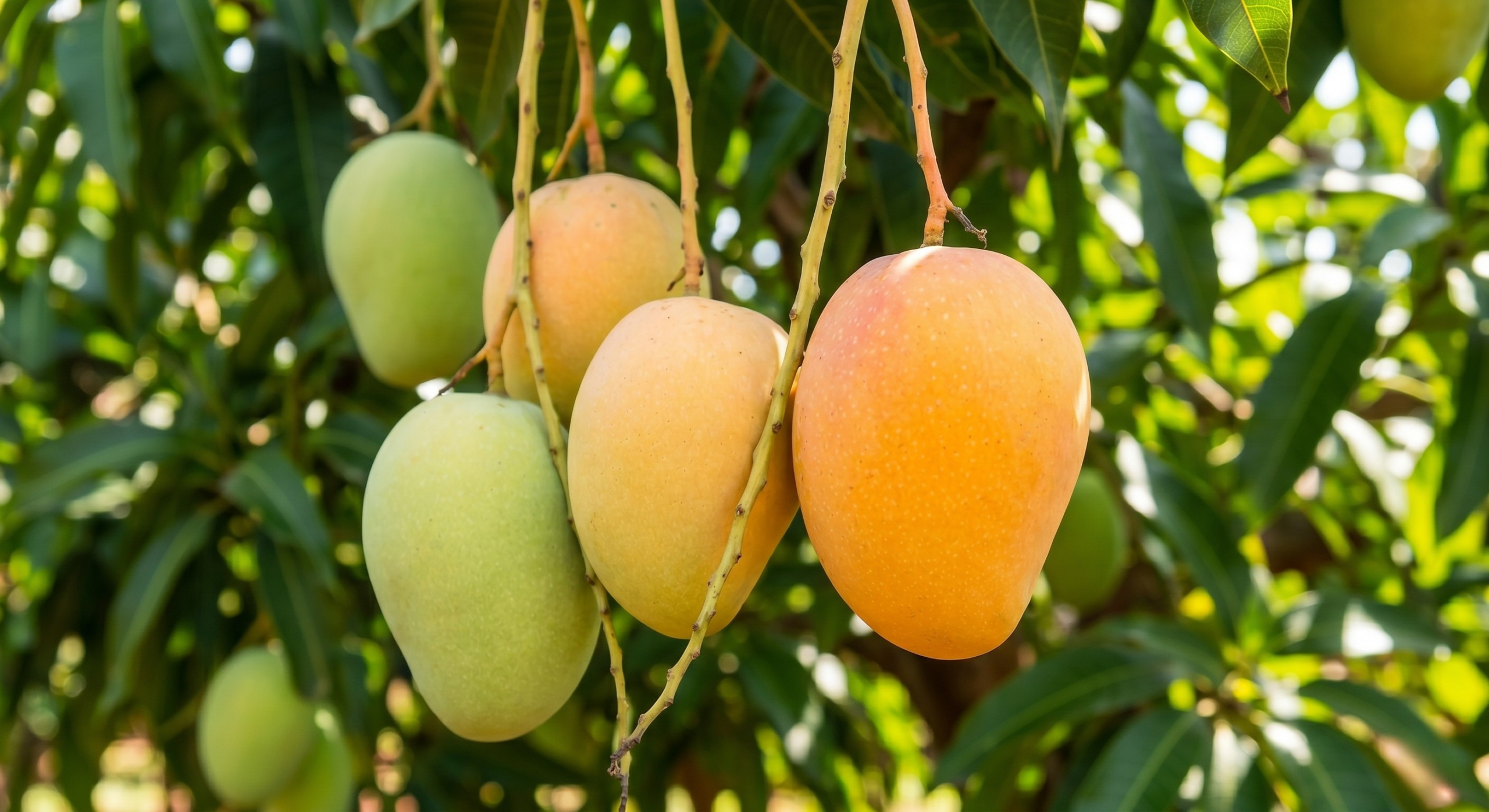
The Ratnagiri Alphonso is more than a seasonal luxury; it is a profound expression of a single, unreplicable geography. When you taste a genuine Ratnagiri Alphonso, you are not just eating fruit; you are tasting the history of the red soil and the breath of the Arabian Sea.
Do not settle for imitations that degrade the name. Experience the genuine taste of Konkan microclimate magic this season. Discover the unparalleled quality that Fantastic Mangoes brings directly to your table.
India doesn’t just grow mangoes — it breathes them. With over 22 million metric tonnes produced annually, India accounts for nearly half of the entire
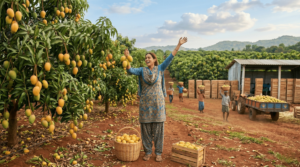
Biting into a ripe, sweet mango often feels lucky. However, a highly structured process actually creates that incredible flavor. At Fantastic Mangoes, we know great
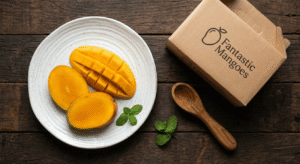
When you purchase premium fruit, you are buying more than just produce; you are participating in a complex agricultural economy. For decades, the global supply
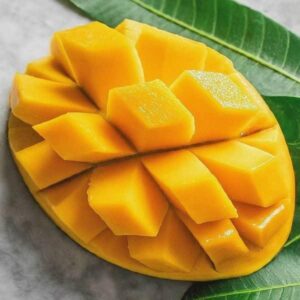
Geography Defines Quality The foundation of exceptional Alphonso mangoes lies in the Ratnagiri and Rajapur belts of Konkan. These regions offer a precise combination of: