India’s Mango Varieties: The Complete State-by-State Guide for 2026
India doesn’t just grow mangoes — it breathes them. With over 22 million metric tonnes produced annually, India accounts for nearly half of the entire
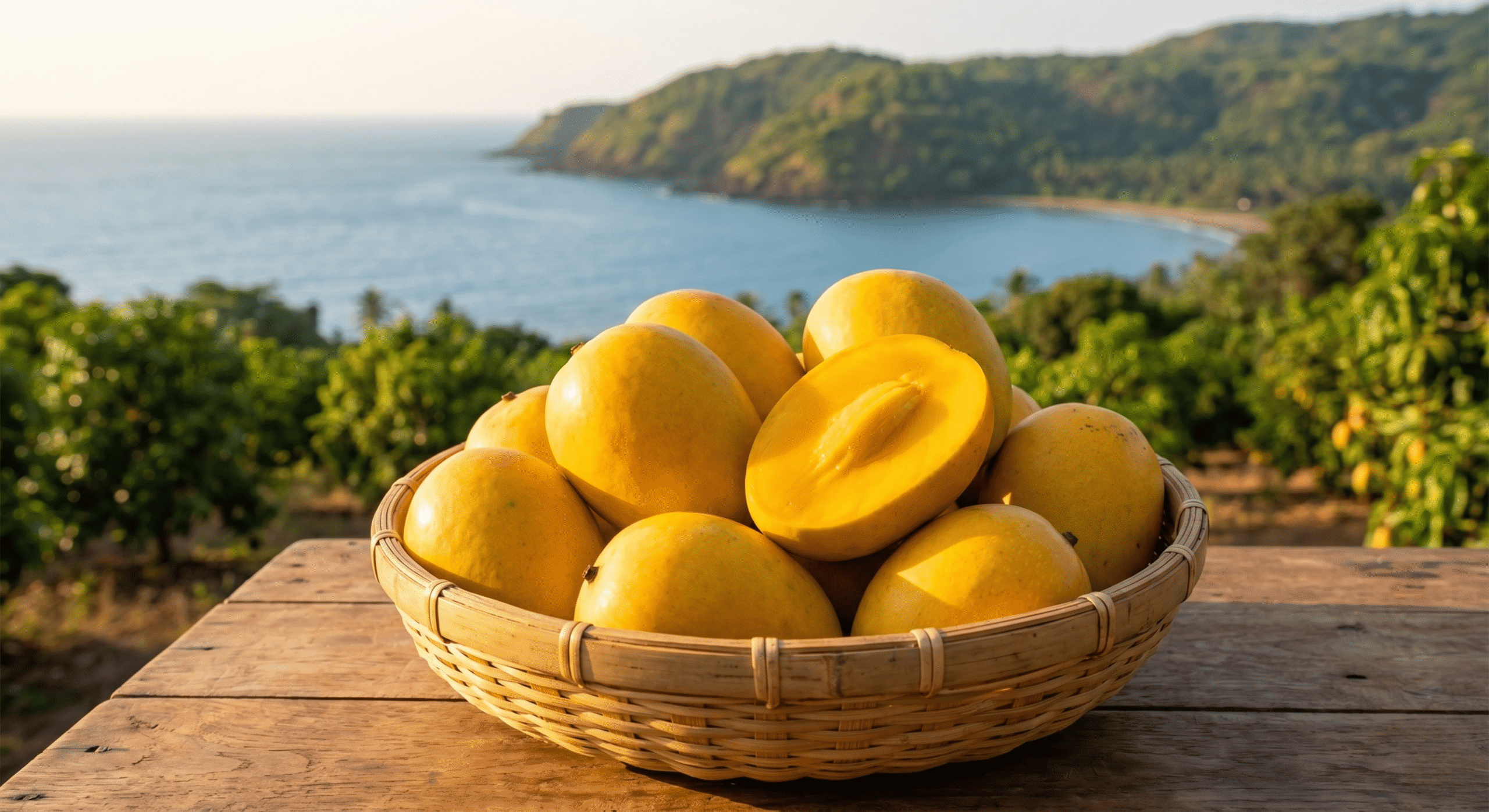
When you think of a mango, you probably picture a juicy, golden-fleshed fruit plucked from a sun-drenched orchard — a summer pleasure available to almost everyone. But step into the rarified world of the most expensive mangoes in the world, and the fruit transforms into something entirely different. We are talking about mangoes that sell for thousands of dollars a pair — fruits auctioned at luxury wholesale markets, wrapped in velvet, and gifted like jewellery, with waiting lists that stretch months into the future.
Welcome to the world of mango royalty, where rarity, climate, obsessive farming, heritage, and flavour converge to create some of the most expensive fruit on the planet.
The Global Mango Stage: A Fruit That Rules the World
To appreciate the rarities, it helps to first understand the scale of the world they inhabit. The global mango market was valued at approximately USD 63.65 billion in 2023 and subsequently grew to around USD 67.91 billion in 2024, expanding at a compound annual growth rate of 6.7%. By 2028, analysts project that figure to touch nearly USD 89 billion.
Production numbers tell a similarly impressive story. Global mango production reached 58.3 million metric tons in 2021, and forecasts suggest it could hit 65 million metric tons by 2026, growing at roughly 1.9% per year on average. It is within this vast global output that the most expensive mangoes in the world represent a tiny but extraordinarily valuable fraction. India leads this charge by an enormous margin, producing an estimated 26.3 million tons of mangoes annually — nearly half of the entire global supply. Indonesia, China, and Mexico round out the top four producing nations.
Here is a snapshot of global mango production over the last five years:
| Year | Global Production (approx.) |
|---|---|
| 2020 | ~55 million metric tons |
| 2021 | ~57–58 million metric tons |
| 2022 | ~59 million metric tons |
| 2023 | ~61 million metric tons (peak) |
| 2024 | ~60 million metric tons |
Despite this enormous volume, the most coveted mangoes on earth are produced in quantities so small they could fit inside a single room. That scarcity, furthermore, is precisely what makes them extraordinary.
1. Taiyo no Tamago (Miyazaki Mango) — Japan – The Undisputed King of Expensive Mangoes
No discussion of the world’s priciest mangoes can begin anywhere but Japan. The Miyazaki mango holds the title of the world’s most expensive mango, with individual fruits costing over $500 USD each. Beyond that, the true crown jewel is a specific grade called Taiyo no Tamago — Japanese for “Egg of the Sun.” These elegantly packaged mangoes sell for as much as $4,000 a pair through luxury department stores across Japan. The record was set in 2023, when two Taiyo no Tamago mangoes weighing over four litres each were auctioned for 600,000 yen.
What makes these mangoes so special?
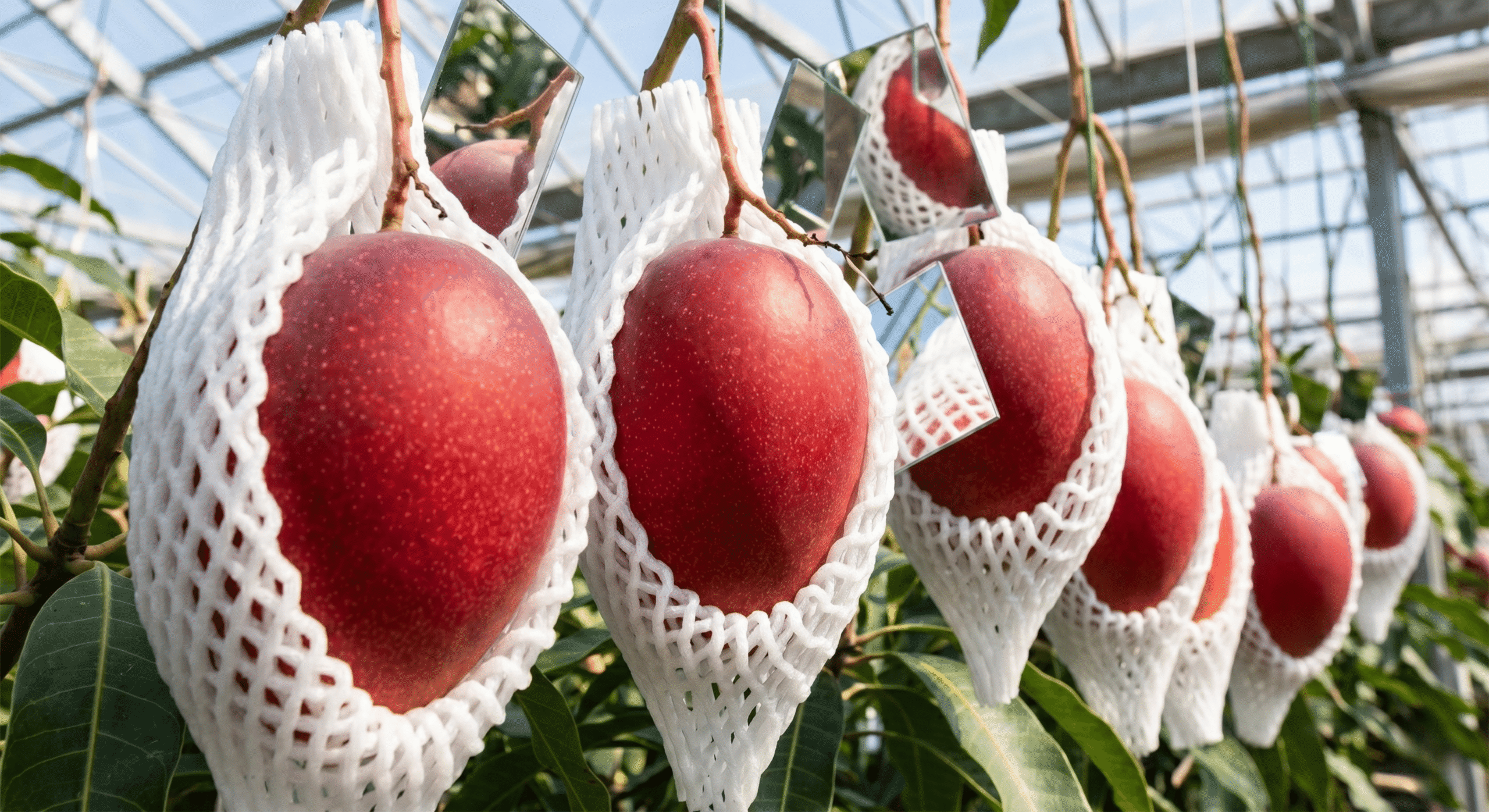
First, consider the selection criteria — they are brutal. The Taiyo no Tamago is undoubtedly among the most expensive mangoes in the world, with the brand accounting for less than 15% of all Miyazaki mangoes produced. To qualify, a mango must weigh at least 350 grams, carry a sugar content of 15 degrees or more, and display a deep red colour covering over two-thirds of its surface. Additionally, farmers brand each chosen mango with a black and gold sticker and pack it carefully to protect its delicate skin and flesh.
Second, the cultivation process is extraordinarily labour-intensive. To achieve the perfect red and orange hue, some farmers use small mirrors to reflect sunlight onto each fruit. Moreover, they regularly adjust every mango’s position on the vine whenever it is not receiving sufficient sun.
Third, the history is short but intense. Mango cultivation in Miyazaki Prefecture began in 1984, when a farmer was deeply impressed by mangoes sampled during an agricultural trip to Okinawa. What started as a single farmer’s experiment grew, through decades of quality improvement and regional branding, into one of the world’s most prestigious agricultural products.Miyazaki mangoes are available only between April and August, with the majority sold during May and June. That narrow window, combined with sky-high quality standards and powerful luxury branding, keeps supply perpetually tight and demand insatiable. Learn more about Taiyo no Tamago mangoes from the Official Miyazaki City Travel Guide.
As for the fruit itself, Miyazaki mangoes are medium to large, averaging 350 to 510 grams, with brilliant hues of dark red to orange. The vibrant orange flesh is soft, tender, and completely non-fibrous, offering a succulent, melting consistency. When ripe, the fruit releases a honeyed, tropical aroma that is instantly recognisable. Discover detailed facts about Miyazaki mangoes on Specialty Produce.
Production note: Only a handful of farms in Miyazaki Prefecture produce Taiyo no Tamago-grade fruit. Because these qualify as less than 15% of an already-limited regional harvest, the number of mangoes reaching auction each season sits in the low thousands — a tiny fraction compared to any mass-market variety.
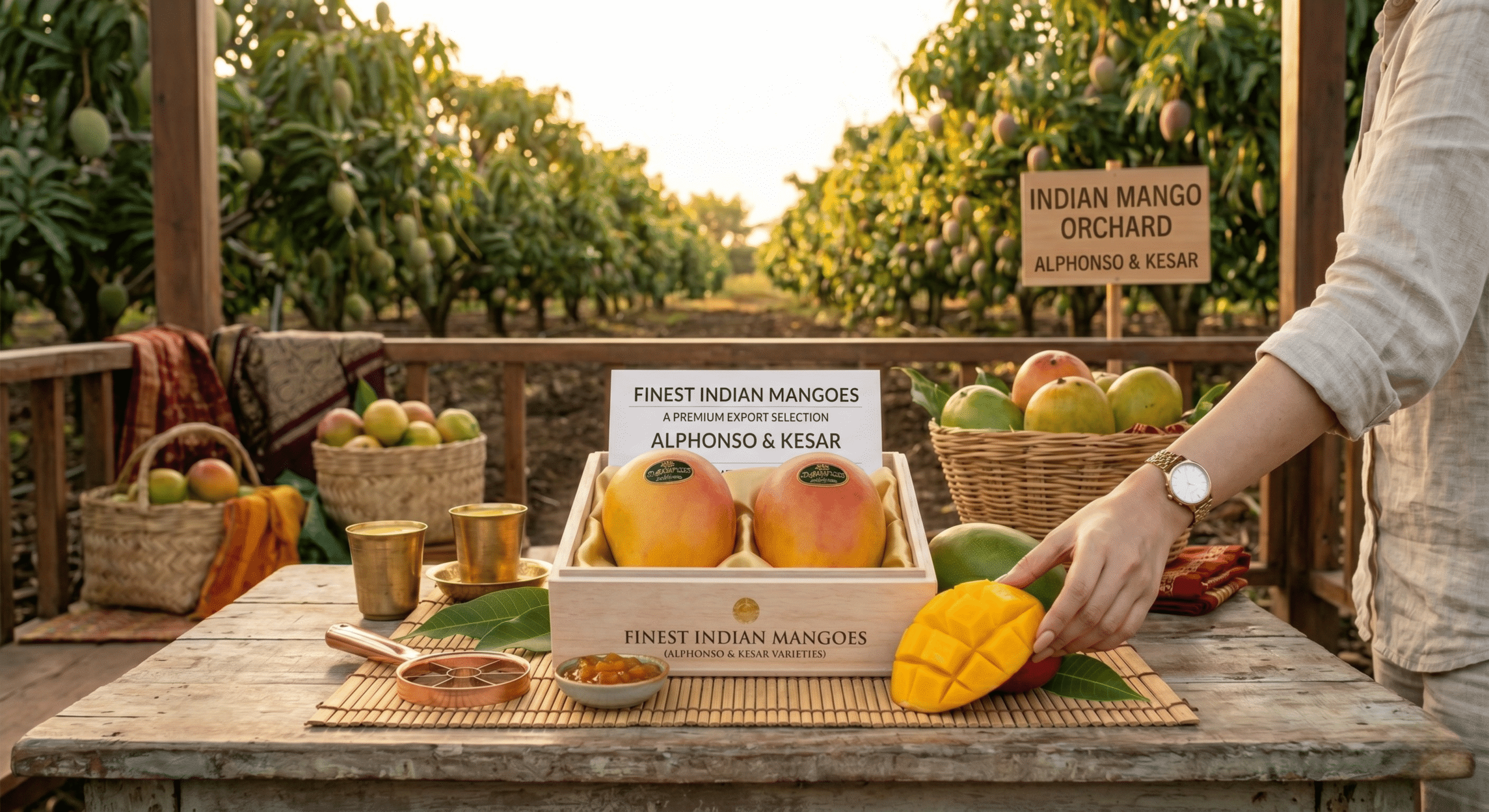
2. Alphonso Mango (Hapus) — Ratnagiri and Devgad, Maharashtra, India – The King of Mangoes with a GI Crown
While Japan’s Miyazaki mango rules through engineering and luxury branding, India’s Alphonso earns its throne through sheer, irreplaceable flavour. Known as Hapus in Marathi and celebrated globally as the “King of Mangoes,” the Alphonso from Ratnagiri and Devgad on the Konkan coast is considered by many connoisseurs to be the finest mango on earth.
The Alphonso’s reputation is, notably, not just marketing. It carries a Geographical Indication (GI) tag, meaning only mangoes grown in the designated Ratnagiri and Devgad belt can legally bear the name. Furthermore, the variety earns its price through a fiberless texture, a unique aroma, and a perfectly balanced sweetness that no other region can replicate. In 2025, climate-driven low yields have pushed prices even higher, with premium export-grade Alphonso reaching ₹1,200 to ₹2,200 per dozen.
On the global stage, Alphonso exports tell a significant growth story. India exported 22,963 metric tons of mangoes worth USD 48.53 million in 2022–23, subsequently growing to 27,330 metric tons in 2023–24. India has also achieved a 19% year-on-year increase in mango exports to the United States alone. The top export destinations for Alphonso mangoes are the United Kingdom, the Netherlands, and the United States, with strong and rising demand also coming from the Middle East and Southeast Asia.
However, the Alphonso’s greatest challenge is also its greatest charm. Rapid urbanisation in Ratnagiri and Sindhudurg has reduced cultivated land area, while supply chain inefficiencies create significant post-harvest losses. Consequently, effective supply to market remains tight every single season. The harvest, furthermore, is at the mercy of the pre-monsoon climate — too little sun or too much early rain, and yields drop dramatically, pushing prices even higher.
Flavour profile: Golden-orange skin, almost saffron in hue. Dense, creamy pulp that is entirely free of fibre. A fragrance unlike any other mango on earth — floral, honeyed, and unmistakably coastal. Rather than being chewed, it melts on the tongue.
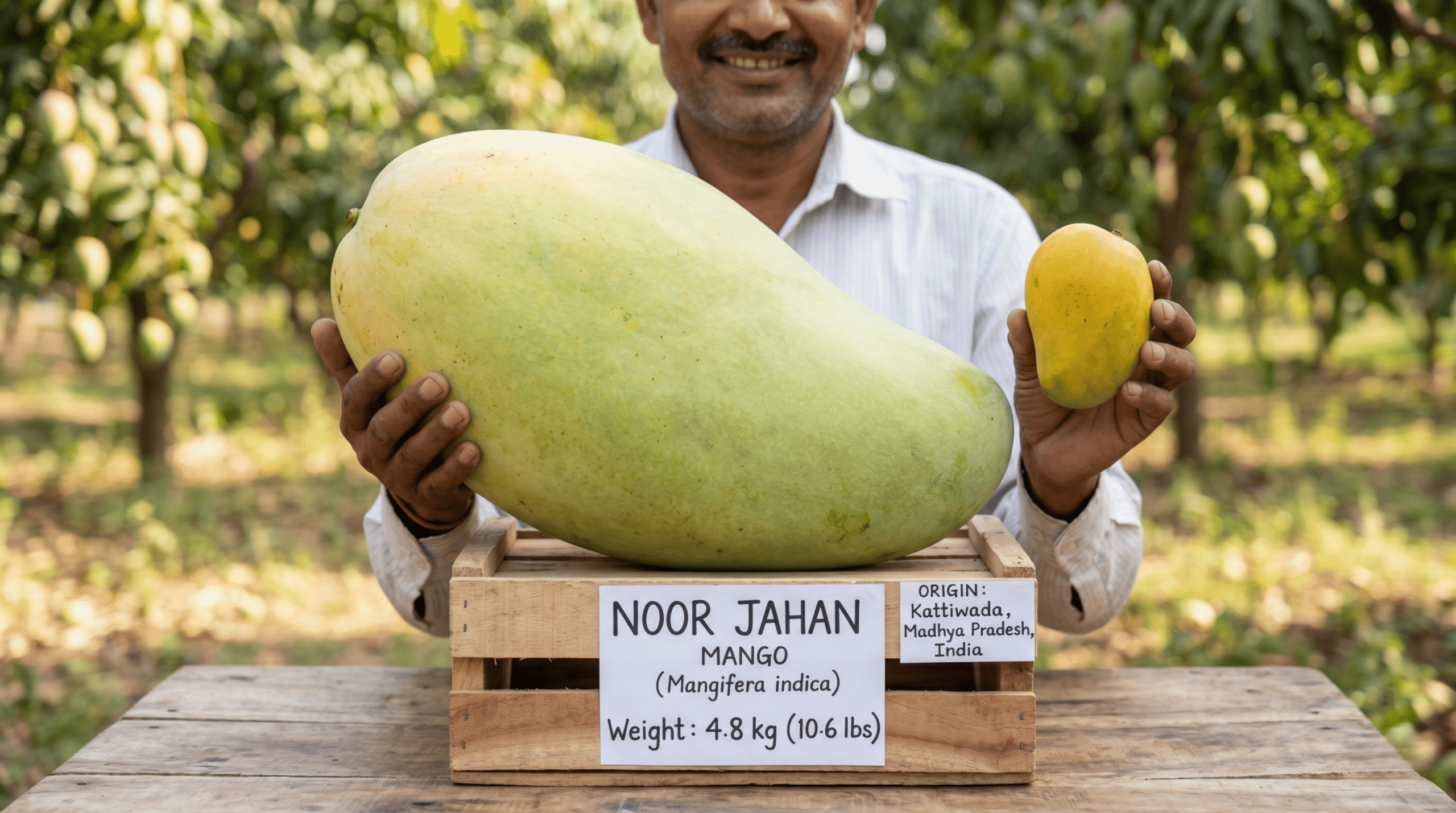
3. Noorjahan Mango — Katthiwada, Madhya Pradesh, India – The Giant of the Mango World
While Alphonso wins on flavour, Noorjahan wins decisively on spectacle. Cultivated in the Katthiwada area of Madhya Pradesh’s Alirajpur district, each fruit can weigh between 2.5 and 4 kilograms — roughly the weight of a small watermelon — and is priced anywhere from ₹500 to ₹2,000 per piece.
Originally from Afghanistan, Noorjahan grows in just a handful of trees within the tribal-dominated Katthiwada region near the Gujarat border. The fruit’s length can reach nearly a foot, while the seed alone weighs 150 to 200 grams. Despite its enormous size, its aroma is floral and deeply sweet, and the flesh carries minimal fibre — a combination that makes it genuinely remarkable.
The scarcity situation is, unfortunately, severe. The Noorjahan firmly ranks among the most expensive mangoes in the world precisely because of this scarcity — according to Alirajpur’s Krishi Vigyan Kendra, only eight Noorjahan mango trees remain in private orchards in Katthiwada, a number that has officials deeply concerned about the variety’s long-term survival. Connoisseurs and collectors therefore contact growers months ahead of harvest to book individual fruits, sometimes reserving the entire yield of a single tree. This is not just a premium fruit; it is a threatened piece of India’s agricultural biodiversity.
The moist climate and clay soils of Katthiwada are uniquely suited to Noorjahan’s specific requirements. Beyond that precise microclimate, the tree simply refuses to thrive.
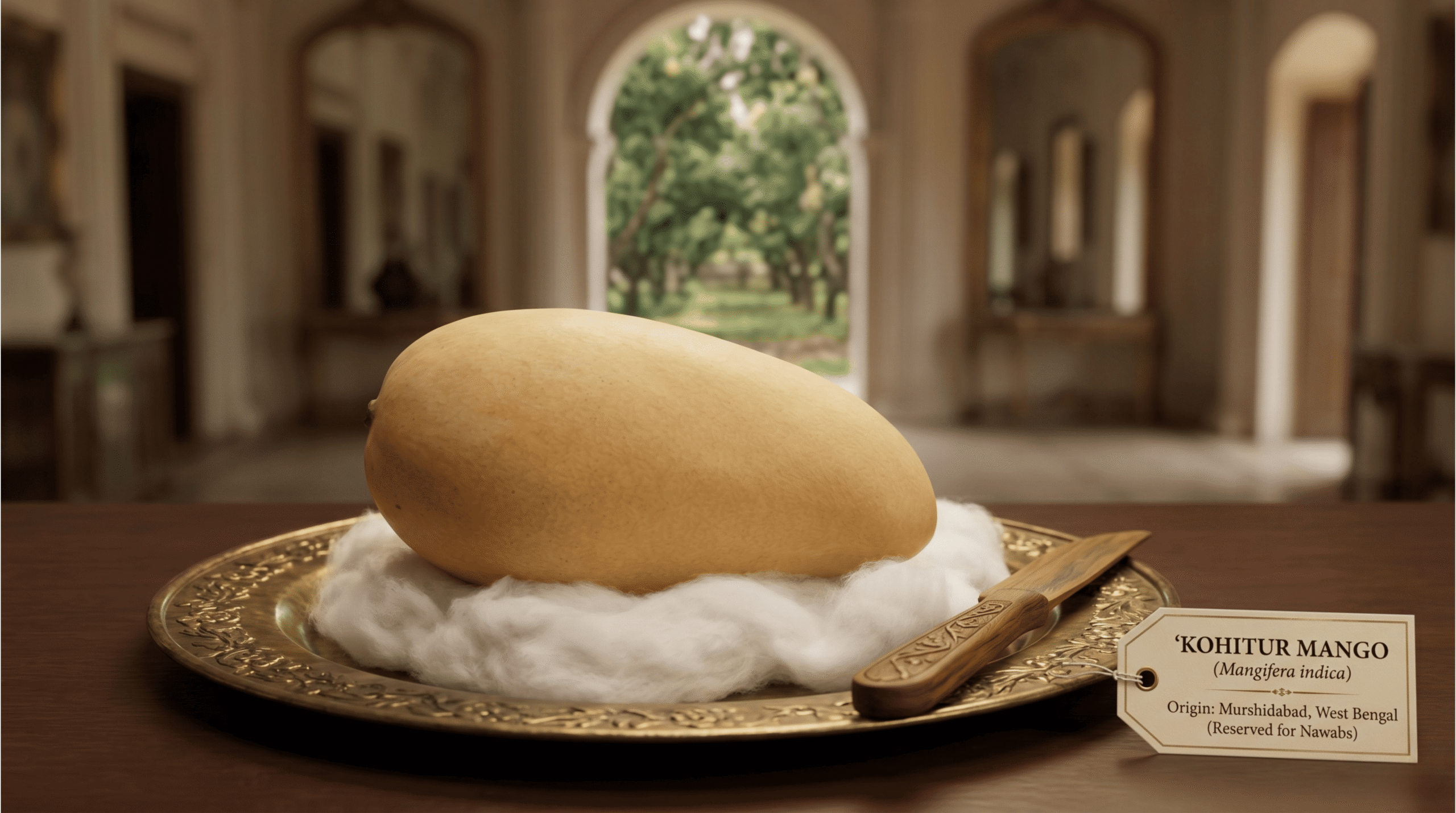
4. Kohitur Mango — Murshidabad, West Bengal, India – Fruit of the Nawabs
Some fruits carry flavour. Kohitur, by contrast, carries centuries of history. Royal gardens in Murshidabad, West Bengal, once cultivated this extraordinarily rare mango exclusively for the nawabs and kings of Bengal — making it one of the most expensive mangoes in the world by heritage alone. Aristocratic estates historically controlled its production, and that tradition of exclusivity continues to this day.
In 2025, out of the remaining trees in the Nawab’s historic garden, only three bore fruit, yielding a mere 150 mangoes for the entire season. In some years, that is the complete and total global production of the Kohitur variety.
The Kohitur’s physical characteristics are as unusual as its story. The variety displays an elongated shape, a vibrant golden-yellow colour, a smooth texture, and a sweetness balanced by a subtle tang. So delicate is the flesh that consumers avoid metal tools entirely when cutting it, opting instead for wooden knives to prevent bruising. Even heat can damage the mango during storage, requiring handlers to regularly rotate each fruit within its crate.
The Kohitur commands a price of ₹1,500 to ₹2,000 per piece, yet even that premium has not guaranteed its preservation. So fragile and production-limited is the variety that even very wealthy buyers have been unable to access it. Read the full story of the Kohitur mango on Fresh Fruit Portal. Notably, the chairman of a major Mumbai conglomerate once publicly confessed that, despite his considerable means, he could not easily get his hands on a single Kohitur mango.
Why Are These Mangoes So Expensive? The Economics of Rarity
The answer is never just one factor. Instead, it is always a powerful convergence of several forces working together.
Hyper-specific geography. Every variety on this list grows within a single, tightly defined microclimate. Because these fruits have very limited production due to specific climatic requirements, their rarity becomes their value. Move a Noorjahan tree ten kilometres and the fruit changes. Move it to another district entirely and the name no longer applies.
Brutally short seasons. The Alphonso is harvested for roughly 8 to 10 weeks. The Miyazaki season runs from April to August. Because there is no year-round supply to dampen enthusiasm, the short harvest window directly enhances each mango’s exclusivity and seasonal appeal.
Obsessive quality standards. Only about 10% of all harvested Miyazaki mangoes meet the rigid Taiyo no Tamago requirements. The remaining 90%, still premium by any other standard, sell for considerably less. This relentless filtration, therefore, creates a product sitting at the very apex of the quality pyramid.
Labour and care intensity. Farmers adjust individual fruit positions daily for optimal sun exposure, use mirrors to reflect light, and wrap fruits in protective mesh before harvest. Consequently, every single piece is hand-picked, hand-inspected, and hand-packaged. That level of human attention is simply incompatible with low prices.
Climate vulnerability. Climate change has made 2025 a low-yield year for Alphonso mangoes, pushing prices upward accordingly. Noorjahan trees may fail to flower if the winter temperature is slightly wrong. Kohitur trees are actively dwindling. Every production risk, therefore, tightens supply and raises prices further.
Heritage and prestige. Varieties like Kohitur and Noorjahan hold deep historical and cultural significance, having once been reserved exclusively for royalty and aristocrats. That irreplaceable story adds intangible value that no amount of replication or agricultural engineering can replace.
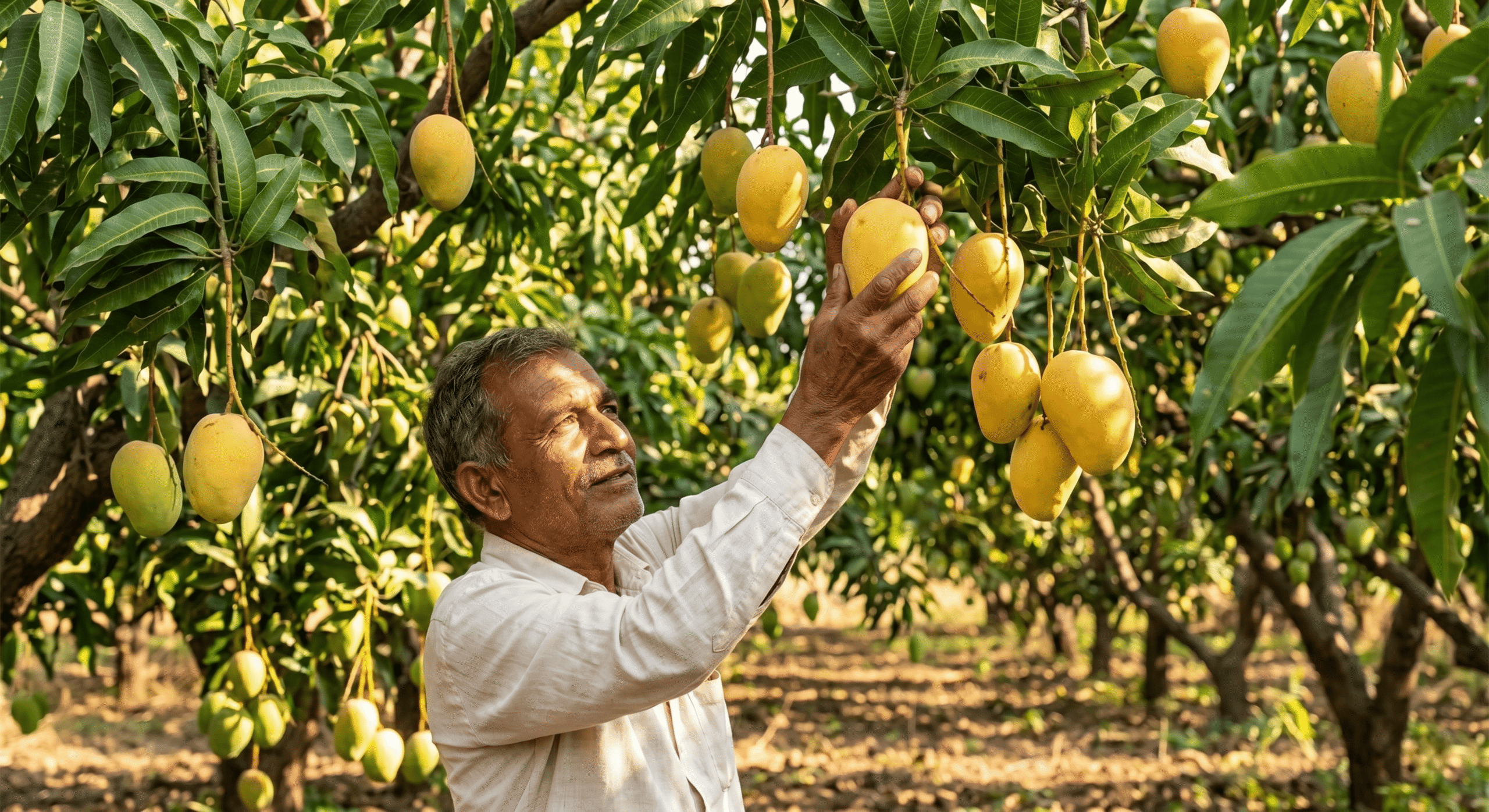
The Nutritional Dimension: Why Premium Matters Beyond Price
Beyond price tags, the most expensive mangoes in the world offer extraordinary nutritional depth that justifies the pursuit on entirely different grounds. High-quality mangoes are among the fruits richest in vitamin C and natural antioxidants. Notably, a single 100-gram serving delivers 40% of the recommended daily intake of vitamin C alone, thereby contributing to immune function, digestion, and cardiovascular health.
In addition, mangoes are rich in vitamin K, which helps blood clot effectively, prevents anaemia, and plays an important role in strengthening bones. They also provide magnesium and potassium, both of which support lower blood pressure and regular cardiac function. Furthermore, mangoes contain mangiferin, a compound that early studies suggest may reduce inflammation of the heart.
Altogether, mangoes pack more than 20 vitamins and minerals, supporting heart, digestive, and immune system health simultaneously. The key antioxidant compounds — including mangiferin, quercetin, and beta-carotene — actively neutralise free radicals, the unstable molecules closely linked to ageing and chronic disease.
In premium varieties like Alphonso and Miyazaki, all these nutrients arrive alongside a flavour, texture, and fragrance that make the nutritional payload almost incidental to the experience. These are not mangoes you consume as medicine. These are mangoes you remember for the rest of your life.
Supply, Demand, and the Future of Precious Mangoes
The story of rare mangoes over the coming decade is not a straightforward one. Climate change is actively compressing productive windows, increasing erratic flowering, and reducing yields across India’s most celebrated orchards. Meanwhile, demand is accelerating rapidly in global markets. Mango consumption is growing particularly fast in North America and Europe, where the fruit is increasingly valued for both its unique flavour and its nutritional benefits.
For the rarest varieties, this pressure is existential. Noorjahan may have only eight fruiting trees left. Kohitur’s entire 2025 yield amounted to 150 mangoes. Even Alphonso, despite its GI protection and established international export channels, faces real and growing constraints from land-use changes and post-harvest losses.
The global market is, however, innovating in response. Advances in logistics, refrigeration, and storage technology have been crucial in reducing post-harvest losses and extending the shelf life of mangoes, thereby enabling the most expensive mangoes in the world to reach premium export programmes at scale. Across India, farmer cooperatives are now taking their produce directly to international buyers, bypassing middlemen and earning significantly higher returns. These structural shifts are, consequently, gradually building the infrastructure that rare mango varieties need not only to survive but to reach appreciative markets worldwide.
Own the Orchard: Grow Your Own Alphonso at the Source
For those who love the Alphonso deeply enough to want more than a box — Konkan Estates, a Ratnagiri-based real estate developer with over 40 years of experience in the region, offers managed mango farmland plots right in Konkan’s famed mango belt. Their flagship project, Tathastu Mango Valley, gives you the chance to own a plot with 30–40 mature Ratnagiri Hapus (Alphonso) trees, fully managed by agricultural professionals, with Alphonso, Kesar, and Raspuri mango varieties cultivated across their farmland portfolio.
In fact, Fantastic Mangoes is Konkan Estates’ own in-house produce brand — meaning the mangoes grown on their farms are the very mangoes that reach your doorstep. It’s a full circle from orchard to box.
If you’ve ever dreamed of owning a slice of the Konkan coast where India’s finest mangoes grow, explore their projects at konkanestates.com.
Final Word: What Makes a Mango Worth Thousands?
The world’s most expensive mangoes are not expensive simply because someone decided to charge more. Find out why Miyazaki mangoes are Japan’s ultimate luxury fruit on Japanese Taste. Rather, they are expensive because the conditions that produce them are nearly impossible to replicate — and because everyone who tastes them understands the difference immediately.
A Taiyo no Tamago mango is not just a fruit. It is the result of a farmer in Miyazaki spending months carefully adjusting an individual fruit toward the sun. An Alphonso from Ratnagiri is not merely a mango. It carries the mineral memory of the Konkan laterite, the salt of the Arabian Sea, and a tradition of cultivation stretching back centuries. A Kohitur is not simply a luxury. These are, in every sense, the most expensive mangoes in the world — and each one is, quite literally, one of the last living expressions of a royal culinary culture.
These mangoes are rare because the world that produces them is rare. And that, ultimately, is the only justification a price ever needs.
At Fantastic Mangoes, we are committed to bringing you the finest, farm-direct mangoes from India’s most celebrated orchards. Our premium Alphonso mangoes from the Konkan coast are grown with the same obsessive care and respect for the land that defines great mango cultivation everywhere in the world. Explore our current season selection and experience the difference for yourself.
India doesn’t just grow mangoes — it breathes them. With over 22 million metric tonnes produced annually, India accounts for nearly half of the entire
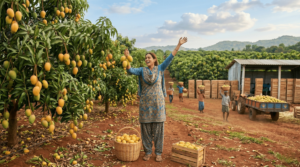
Biting into a ripe, sweet mango often feels lucky. However, a highly structured process actually creates that incredible flavor. At Fantastic Mangoes, we know great
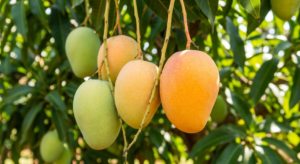
A new entry in The Mango Diaries Every summer, the global market is flooded with fruits bearing the prestigious ‘Alphonso’ label. They arrive from various
When you purchase premium fruit, you are buying more than just produce; you are participating in a complex agricultural economy. For decades, the global supply